The best Rioja wines

Rioja produces over 300 million litres of wine a year. Most of it is forgettable. A small part is genuinely outstanding. And the difference between the two doesn’t always come down to price. This guide covers 11 bottles — Crianza to Gran Reserva — chosen for real quality, not name recognition.

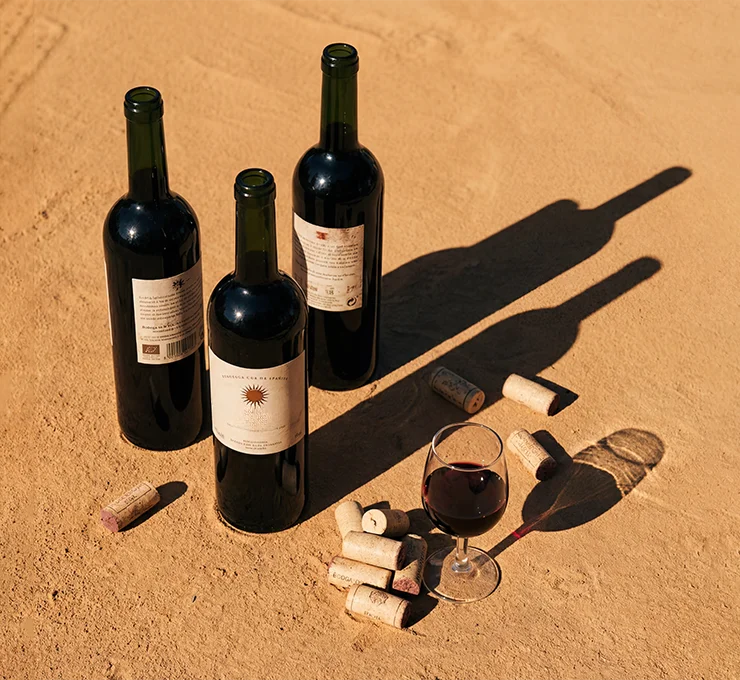
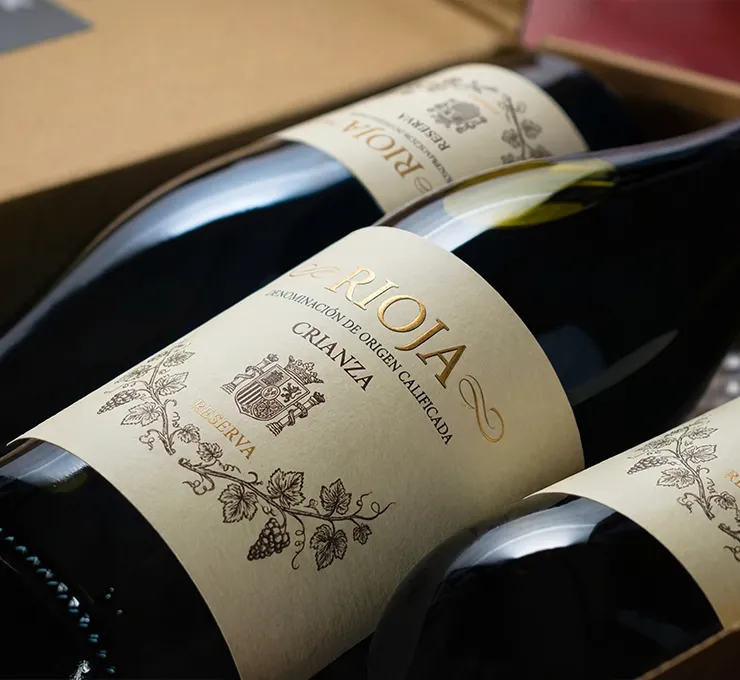
Rioja red wine bottles in a box

Rioja divides neatly into three tiers. For Crianza under £12, start with Ramón Bilbao 2022 or CVNE Cune 2021. For Reserva, Muga 2021 is the standout bottle of the year — and Roda I 2019 if you want the best the category offers. For Gran Reserva, CVNE Imperial 2017 is the entry point and Muga Prado Enea 2016 is the one to buy.

Rioja is Spain’s most celebrated red wine region — if you want to see how it fits into the broader picture, our guide to the best Spanish wines covers eight bottles across the country.

Best Rioja Crianza

Crianza is the entry level for oak-aged Rioja — a minimum of 12 months in barrel, released in its third year. At this price point, the best bottles massively over-deliver.

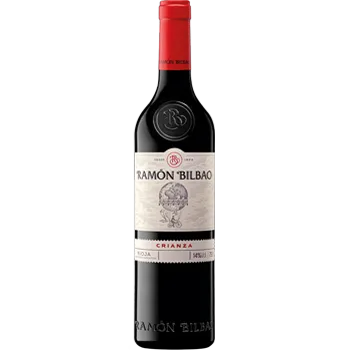
Ramón Bilbao Crianza 2022 rioja wine bottle

Ramón Bilbao Crianza 2022

Bodega: Ramón Bilbao · Haro, Rioja Alta · Est. 1924

Price: ~£9.50 / ~€10

Score: 92/100

The value pick. 100% Tempranillo aged 14 months in American oak, scoring 92 from James Suckling. At £9.50 on Tesco Clubcard — or under €10 in Spain — this is the bottle to reach for when you want a proper Rioja without thinking too hard about it. Suckling described the 2022 as “juicy and fine-grained with medium to full body.” Founded in 1924 in Haro, Ramón Bilbao has been listed among Drinks International’s 50 Most Admired Wine Brands three consecutive years. It earns that.

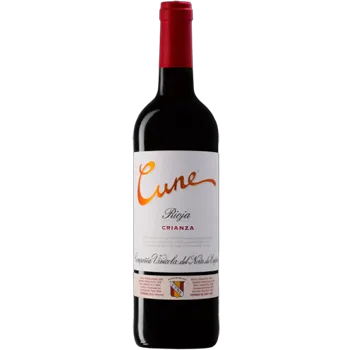
CVNE Cune Crianza 2021 bottle

CVNE Cune Crianza 2021

Bodega: CVNE · Haro, Rioja Alta · Est. 1879

Price: ~£10.75 / ~€8.20

Score: 91/100

The benchmark. CVNE (Compañía Vinícola del Norte de España) has been making wine in Haro since 1879. The Cune Crianza — 85% Tempranillo with Garnacha and Mazuelo, 12 months in American oak — scored 92 from Wine Enthusiast (Best Buy) and 91 from Suckling. Three million bottles per year, and still one of the most consistently reliable Riojas at any price. If someone asks you what Rioja tastes like, open this.

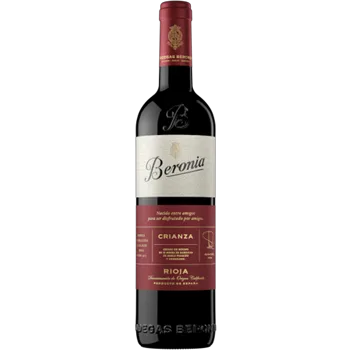
Beronia Crianza 2021

Beronia Crianza 2021

Bodega: Bodegas Beronia · Ollauri, Rioja Alta · Est. 1973

Price: ~£10.99 / ~€7

Score: 91/100

The one with a story. Beronia’s winemaker Matías Calleja pioneered what the bodega calls “Frenmerican” barrels — American oak staves with French oak heads — a hybrid that softens the vanilla and coconut notes you get from pure American oak. 90–95% Tempranillo with Garnacha and Mazuelo, scored 91 from Wine Enthusiast (Best Buy). Based in Ollauri, owned by González Byass since 1982, named after the Celtic Berones tribe that inhabited La Rioja in the third century BC. If you want something slightly different from the classic Crianza profile, this is it.

Best Rioja Reserva

Reserva is where Rioja earns its reputation. Three years minimum ageing, at least 12 months in barrel, produced only from selected harvests. This is the tier where Rioja most dramatically outperforms its price bracket compared to Burgundy or Bordeaux equivalents.

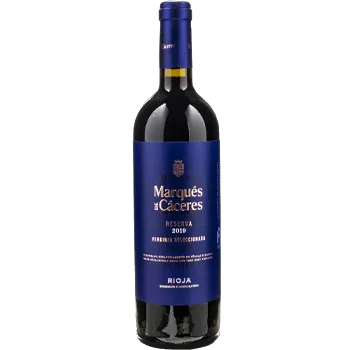
Marqués de Cáceres Reserva 2019 wine bottle

Marqués de Cáceres Reserva 2019

Bodega: Marqués de Cáceres · Cenicero, Rioja Alta · Est. 1970

Price: ~£16 / ~€12

Score: 93/100

The budget entry. Founded by Enrique Forner, who trained in Bordeaux, Marqués de Cáceres was among the first Rioja bodegas to age exclusively in French oak — 15 months in barrel, then two full years in bottle before release. The 85% Tempranillo, 10% Garnacha, 5% Graciano blend. Under £16 for that level of pedigree is the point.

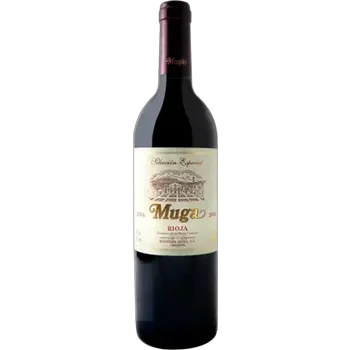
Muga Reserva 2021 bottle

Muga Reserva 2021

Bodega: Bodegas Muga · Haro, Rioja Alta · Est. 1932

Price: ~£22 / ~€16

Score: 93/100

Buy this one. Wine Spectator named it their 2025 Wine Value of the Year. Bodegas Muga has no stainless steel — everything happens in wood, including fermentation, in their own on-site cooperage. 24 months in barrel (80% French, 20% American), fined with fresh egg whites. Tempranillo at roughly 70%, with Garnacha, Mazuelo, and Graciano. Dark plum, blackberry, cocoa, graphite. It drinks beautifully now and will improve for another decade. The 2021 vintage is the best Reserva year since 2011, according to Tim Atkin.

CNVE Imperial Reserva wine bottle

CVNE Imperial Reserva 2019

Bodega: CVNE · Haro, Rioja Alta · Est. 1879

Price: ~£30 / ~€24

Score: 93/100

A step up in every sense. 85% Tempranillo from 40-year-old vines at 550–650 metres elevation in Villalba, aged 24 months in 70% French and 30% American oak. Only made in years the bodega considers worth it. The Imperial brand dates to the 1920s — named after the British Imperial Pint bottle, which tells you something about how long CVNE has been selling to Britain.

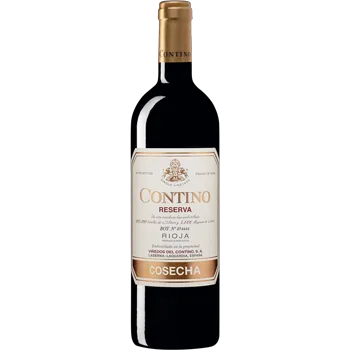
Contino Reserva 2020

Contino Reserva 2020

Bodega: Viñedos del Contino (CVNE) · Laserna, Rioja Alavesa · Est. 1973

Price: ~£33 / ~€27

Score: 94/100

Rioja’s first single-estate wine, made from a 62-hectare property in a meander of the Ebro at Laserna. Aged 18 months in 95% French oak. Winemaker Jorge Navascués maps 32 individual micro-parcels. Parker called the 2020 “a triumph over the vintage… depth and precision.” If you want to understand what single-estate Rioja tastes like before the trend becomes mainstream, this is your starting point.

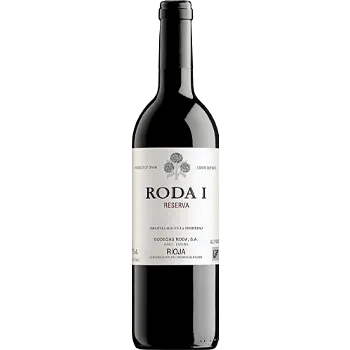
Roda I Reserva 2019

Roda I Reserva 2019

Bodega: Bodegas Roda · Haro, Rioja Alta · Est. 1987

Price: ~£42 / ~€37

Score: 96/100

The highest-scoring Reserva on this list — scores that usually accompany wines at twice the price. Exclusively French oak, 16 months, 50% new. Exclusively old bush vines yielding 1.5 kilograms per plant maximum. From 552 individual clonal selections of Tempranillo, only 20 were chosen for propagation. Decanter has called it a “Wine Legend.” This is the Reserva for the occasion when you want to show someone what Rioja is actually capable of.

Best Rioja Gran Reserva

Only around 2% of Rioja production carries this designation. Minimum five years’ total ageing. Only released in years the bodega considers excellent. The finest bottles here compete with wines at three or four times the price from France.

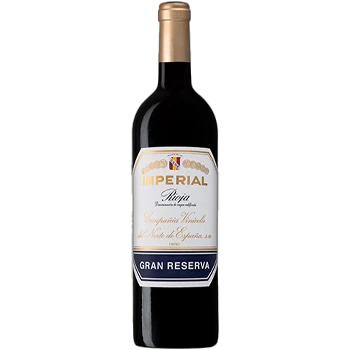
CVNE Imperial Gran Reserva 2017

CVNE Imperial Gran Reserva 2017

Bodega: CVNE · Haro, Rioja Alta · Est. 1879

Price: ~£60 / ~€50

Score: 95/100

The value proposition at this level. 85% Tempranillo, 10% Graciano, 5% Mazuelo, aged 24 months in two-thirds French and one-third American oak, then 3–4 years in CVNE’s century-old cellars. Only produced in years classified as “Excellent” by the DOCa. The 2014 vintage topped Wine Spectator’s entire Top 100 in 2019. At £60, it competes with Burgundy Village wines at £120+.

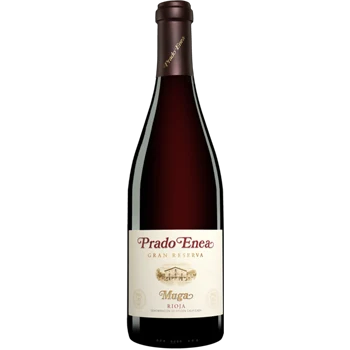
Muga Prado Enea Gran Reserva bottle

Muga Prado Enea Gran Reserva 2016

Bodega: Bodegas Muga · Haro, Rioja Alta · Est. 1932

Price: ~£75 / ~€67

Score: 96/100

The critics’ consensus. Parker, Suckling, Atkin, Decanter, Wine Enthusiast and Peñín all scored the 2016 between 96 and 97+ — a degree of critical agreement you almost never see. One year in 16,000-litre casks, then three years in small barrels (60% French, 40% American, 10% new, all made in-house), then three years in bottle. Indigenous yeast, no temperature control, oak fermentation. No 2017 or 2018 was produced. If you buy one Gran Reserva this year, buy this.

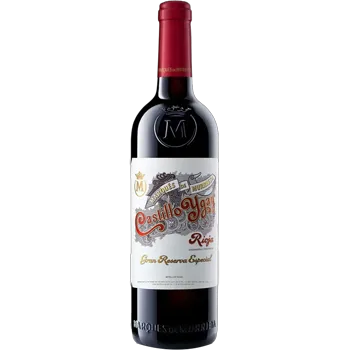
castillo ygay gran reserva especial 2012

Castillo Ygay Gran Reserva Especial 2012

Bodega: Marqués de Murrieta · Finca Ygay, Rioja Alta · Est. 1852

Price: ~£235 / ~€233

Score: 99/100

The finest Rioja on this list. James Suckling awarded the 2012 a perfect 100 points. The 2010 was Wine Spectator’s #1 Wine in the World for 2020. Tim Atkin classifies Marqués de Murrieta as a First Growth — his highest designation. The wine comes entirely from the La Plana single vineyard, planted 1950, at 485 metres altitude: 81% Tempranillo and 19% Mazuelo, aged 34 months in barrel, then 20 months in concrete. The oldest winery in Rioja, founded 1852. There is no 2013, 2014, or 2015 — the next release after this will be around 2029. If you see the 2012, buy it.

Understanding the classification system

You’ll see these terms on every bottle. Here’s what they actually mean.

Genérico (or Joven) — No ageing requirement. Drunk young. About 40% of all Rioja.

Crianza — Minimum two years total ageing, at least 12 months in barrel. Released in the wine’s third year.

Reserva — Minimum three years total ageing, at least 12 months in barrel. Only made in selected years.

Gran Reserva — Minimum five years total ageing, at least two years in barrel. Only made in the best vintages. Around 2% of Rioja production.

The key thing: unlike most wine regions, Rioja releases its wines when they’re ready to drink. A Gran Reserva on a shop shelf today comes from the 2016 or 2017 harvest — it’s had eight or nine years before you open it. You don’t need a cellar.

One more layer worth knowing: since 2017, Rioja has been building a parallel terroir-based classification alongside the ageing tiers. The top designation is Viñedo Singular (Single Vineyard) — requiring vines over 35 years old, manual harvest, yields 20% below the average, and two blind-tasting approvals. As of 2023, 148 sites are recognised. Wines like Contino and Roda were already operating in this spirit before the regulation existed.
What is the best Rioja red wine for beginners?

Ramón Bilbao Crianza 2022. It scores 92/100, costs under £10 on Tesco Clubcard, and delivers exactly what people mean when they talk about classic Rioja — cherry fruit, vanilla, soft tannins. Start there and work upwards.

Ageing time, mostly. Crianza spends at least 12 months in barrel and is released in its third year. Reserva gets at least 12 months in barrel and three years total ageing. Gran Reserva gets at least two years in barrel and five years total ageing, and is only produced in the best vintages. Unlike most regions, Rioja releases wines when they’re ready to drink — Gran Reserva on a shop shelf today has already had eight or nine years.

More often than comparable wines from France or Italy at the same price point, yes. A Gran Reserva at £60–75 — CVNE Imperial or Muga Prado Enea — routinely scores 95–96/100 and competes with Burgundy or Bordeaux at £150+. The 2012 Castillo Ygay at £235 received a perfect 100 from Suckling — pricing that would be ten times higher in Burgundy for the same score.

Crianza works well with everyday roasts, lamb chops, and hard cheeses. Reserva suits richer dishes — slow-cooked lamb, duck, grilled pork. Gran Reserva is best alongside aged Manchego, wild mushroom dishes, or on its own — the tannins and acidity have softened to the point where the wine doesn’t need food as a foil.

Traditional Rioja (Muga, La Rioja Alta, López de Heredia) uses American oak and long ageing times — vanilla, coconut, dried strawberry, and a certain oxidative quality. Modern Rioja (Roda, Contino, Finca Allende) uses French oak and shorter ageing — more primary fruit, more structure, more terroir. Neither is better; they’re different wines making different arguments about what Rioja should taste like.

Mostly, but not exclusively. Tempranillo dominates, but traditional blends include Garnacha, Mazuelo (Carignan), and Graciano. Palacios Remondo’s La Montesa is 95% Garnacha — a reminder that the Rioja Oriental subzone produces some of the region’s most interesting wines from varieties that aren’t Tempranillo.

Scores are averages calculated from available ratings by James Suckling, Robert Parker, Wine Enthusiast, Decanter, and Tim Atkin MW. Prices correct as of 2026, sourced from Wine-Searcher, retailer listings, and bodega websites. UK prices vary by retailer and promotion.