Bodega La Melonera
La Melonera is a winery in the mountains above Ronda producing some of the best wine in Andalusia. It’s also the only place in the world where the melonera grape exists, revived after being destroyed by phylloxera in 1878.
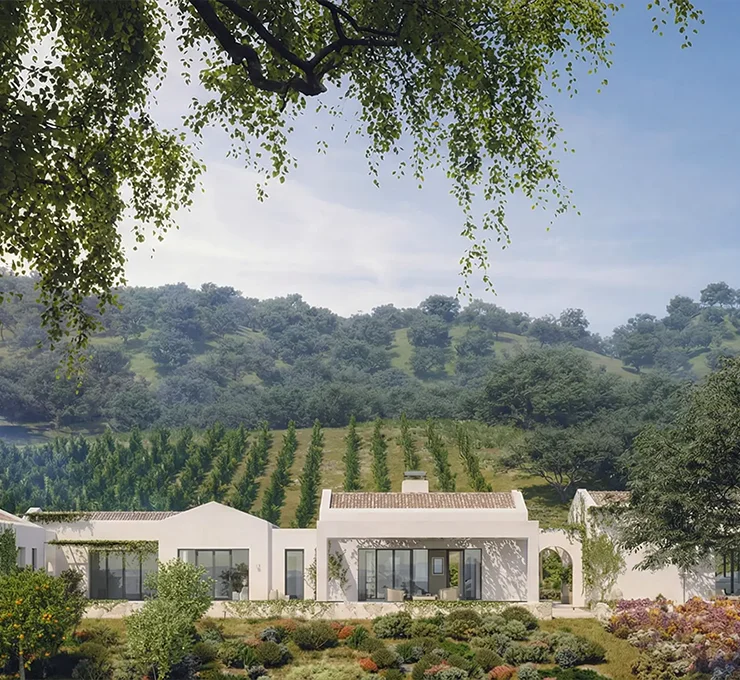
The Winery
La Melonera sits on a large estate of ancient holm oaks and Mediterranean scrub in the hills just outside Ronda. The vineyards — 29 small parcels of 0.5 to 2 hectares each — are planted between 650 and 940 metres above sea level. That altitude is the whole story when it comes to understanding why the wines taste the way they do, but we’ll get to that.
The beginnings
The project was started by Jorge Viladomiu and his cousin Javier Suqué — president of the Perelada wine group in Catalonia — along with a small group of partners. From the beginning, the focus was on indigenous Andalusian grape varieties: not Tempranillo, not Cabernet, but the grapes that were here before phylloxera wiped them out. That decision shapes everything La Melonera produces.
The winemaker is Ana de Castro Rufián, who has led the project since its early days. She’s the person responsible for the grape recovery programme
Essentials
- Founded: 2003
- Location: Paraje Los Frontones, Camino Ronda–Setenil, Málaga
- Altitude: 650–940 metres above sea level
- Estate: ~200 hectares total
- DO: Sierras de Málaga
- Distance from Ronda: 15 minutes by car
The wines
La Melonera produces around 75,000 bottles per year. The range runs from an accessible everyday white at €10 to a prestige limited edition red that regularly scores 95 points in the Peñín Guide.
| Wine | Style | Key Grapes | Approx. Price | Score |
|---|---|---|---|---|
| La Encina del Inglés Blanco | Dry white | Moscatel + Doradilla + Pedro Ximénez | €9.50 | 88/100 |
| La Encina del Inglés Tinto | Red | Tintilla de Rota blend | €12.50 | 91/100 |
| Salinete Rosado | Rosé | — | €14.50 | — |
| Payoya Negra | Aged red | Tintilla de Rota + Romé + Syrah | €23 | 93/100 |
| Yo Solo | Premium red | Varies; inc. Melonera | €60 | 95/100 |
| Yo Solo 100% Melonera | Historic limited ed. | 100% Melonera | €85 | — |
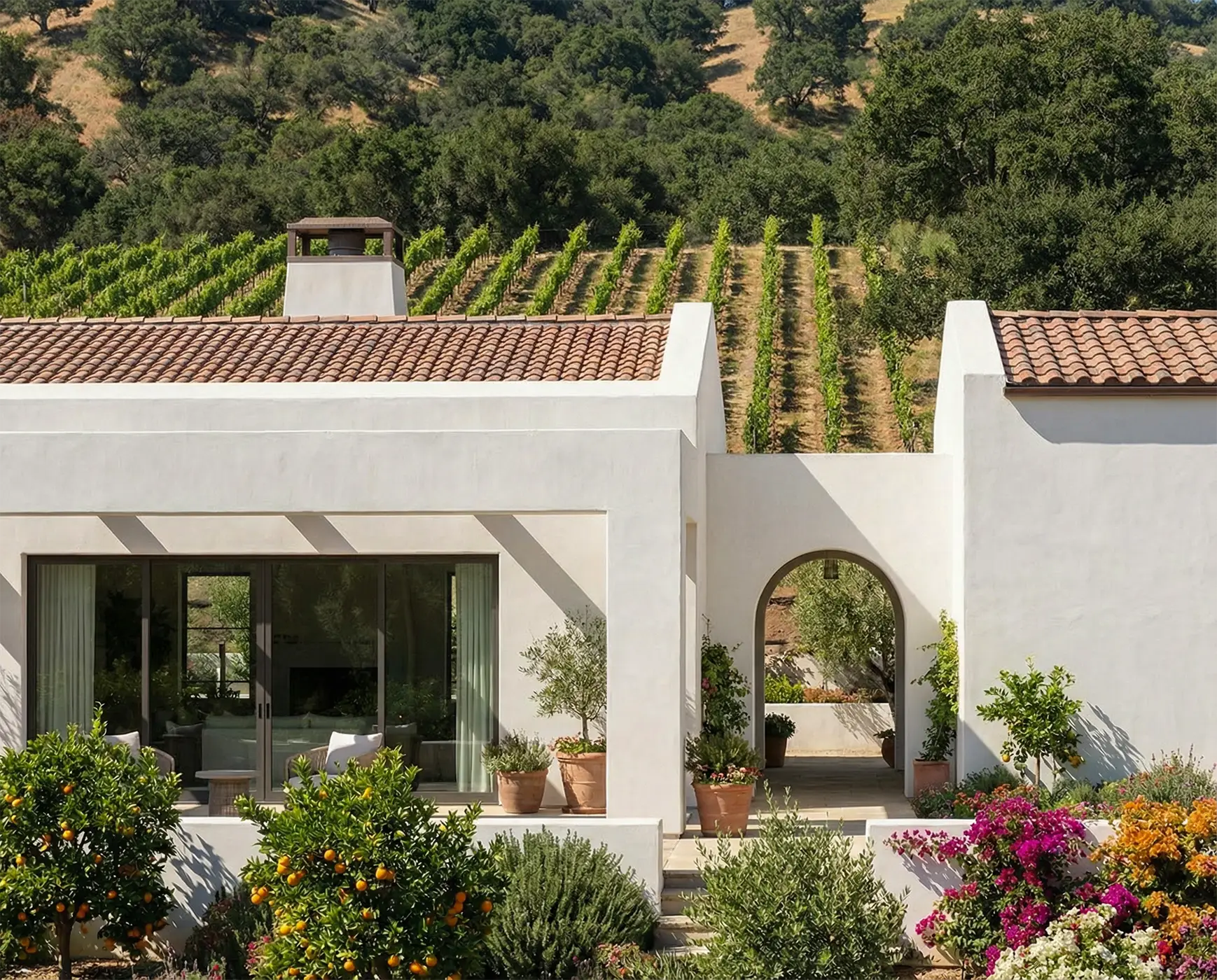
The altitude of the vineyard
Most people hear “Andalusia” and picture scorching heat and overripe wine. La Melonera is the exception.
Up at 650 to 940 metres above sea level, the days are warm enough to ripen the grapes properly — but the nights drop sharply. We’re talking 20°C of difference between midday and midnight in summer. That’s what gives the wines their freshness and structure. The grapes take their time, build up natural acidity, and don’t just bake in the sun.
It rains more up here too, about 800mm a year. The vines don’t struggle for water the way they do on the coast. They just… get on with it.
The result is wine that tastes nothing like the Andalusian stereotype. Which is, frankly, the whole point.
The grape varieties
The estate grows an unusually wide range of indigenous Andalusian varieties, most of which were documented by botanist Simón de Rojas Clemente y Rubio in his 1807 treatise and then lost to phylloxera. The recovery of plant material came via the Rancho de la Merced research centre in Jerez de la Frontera, which has worked to preserve pre-phylloxera vine material.
Indigenous red varieties
Melonera, Blasco, Tintilla de Rota, Romé, Corchero Tinta
International red varieties
Syrah, Garnacha, Cabernet Sauvignon, Monastrell, Cariñena
Indigenous white varieties
Doradilla, Quiebratinajas, Morisco, Platera, Perruna, Vijiriega
Traditional white varieties
Moscatel de Grano Menudo, Pedro Ximénez
What is the melonera grape and why it matters
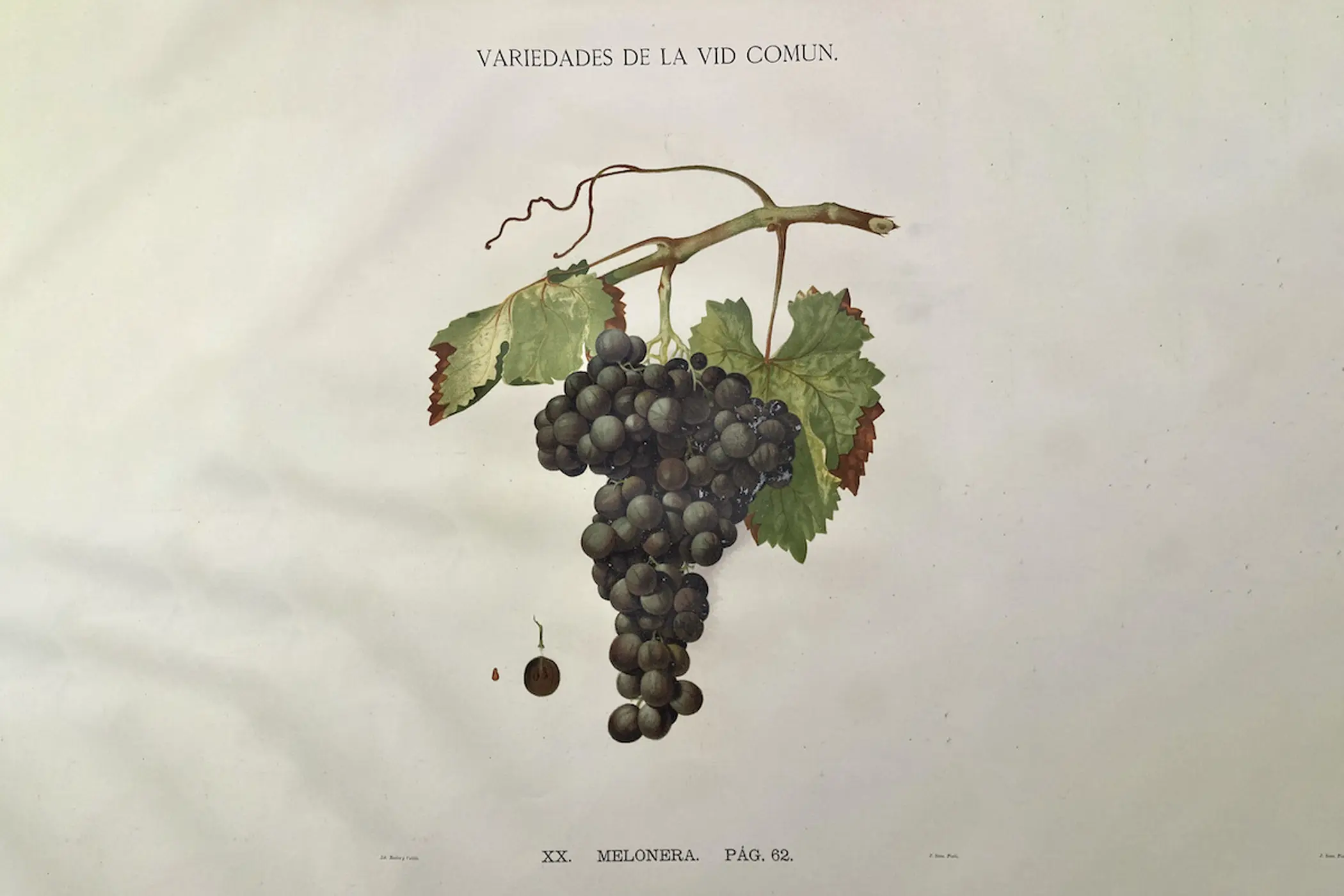
The Melonera grape — officially Rayada Melonera, entry #7617 in the Vitis International Variety Catalogue — is a red Andalusian variety that barely exists anywhere else on earth. The name comes from its most distinctive feature: pale grey stripes running along the berry skin, like a miniature melon.
Today, there are roughly two to three hectares of Melonera vines in the entire world. Most of them are at La Melonera. The same grape grows in tiny quantities in Portugal under the name Corropio — DNA analysis confirmed the two are genetically identical — but plantings there amount to barely a hectare. That’s it.
How it disappeared
The first and only scientific description of the Melonera came from botanist Simón de Rojas Clemente y Rubio in 1807, in Ensayo sobre las variedades de la vid común que vegetan en Andalucía — the world’s first proper ampelographic treatise. He described it as producing medium-sized clusters, hard berries with grey stripes, and noted its presence in the Serranía de Ronda.
Then the phylloxera louse arrived in Europe. By the late 1880s, the vineyards of Ronda had been destroyed. The Melonera, along with dozens of other indigenous varieties, was gone. For the best part of 150 years, Clemente y Rubio’s written description was essentially all that remained of it.
The recovery
When Ana de Castro and the team at La Melonera started the project in the early 2000s, recovering indigenous varieties was central to their work. They sourced plant material from the Rancho de la Merced viticultural research centre in Jerez — which had maintained stocks of pre-phylloxera material — and began the slow process of establishing Melonera vines on the estate.
What followed was 18 years of work: observing how the vine adapted to the terroir, confirming it was virus-free in specialist laboratories, and navigating an administrative process to get the variety officially recognised. That last part alone took twelve years.
In 2024, the Junta de Andalucía published the modification in the BOJA (official gazette) adding the Melonera to the authorised variety list for the DO Málaga and Sierras de Málaga. It became the first practically extinct indigenous grape variety to be officially recovered and reinstated in Spain’s commercial wine system.
In December 2024, La Melonera produced the first monovarietal Melonera wine in approximately 150 years. 360 bottles. €85 each. The Yo Solo 100% Melonera.
Visiting the winery
| Tour | Duration | Price | Includes |
|---|---|---|---|
| Classic | ~90 min | From €35–43/person | Vineyard walk + cellar + 3 wines + jamón, cheese, olive oil |
| Frontones | ~120 min | From €65/person | Extended visit with access to special parcels |
Visits are by appointment only. Walk-ins won’t work — book in advance at their website.
Tours are available in English and Spanish, with groups of up to 14–15 people. La Melonera consistently holds a Travellers’ Choice rating on TripAdvisor, and British visitors specifically mention the knowledgeable guides and the quality of the food pairing.
Private events are available — contact the winery directly for groups and celebrations.
A car is essential. There is no public transport to the winery.
- From Ronda centre: 15 minutes
- From Málaga airport: ~90 minutes via the A-357 and A-367
From Marbella: ~75 minutes via the A-397
FAQ
What is the Melonera grape?
It’s one of the rarest grape varieties in the world — a red Andalusian variety with distinctive striped skin, first scientifically described in 1807 and virtually wiped out by phylloxera in 1878. After 18 years of recovery work by La Melonera winery, it was officially reinstated as a commercial variety in Spain in 2024. There are roughly two to three hectares of it growing in the entire world.
Is La Melonera worth visiting?
Yes. It’s one of the better winery experiences in Andalusia — small groups, knowledgeable English-speaking guides, proper food pairing with local ham, cheese and olive oil, and a setting that’s genuinely hard to beat. Book in advance at lamelonera.com. Tours from €35–43 per person.
How do I get to La Melonera?
You need a car — there’s no public transport. It’s 15 minutes from Ronda town centre, about 90 minutes from Málaga airport, and 75 minutes from Marbella via the A-397.
What's the best La Melonera wine to start with?
Payoya Negra. It’s the winery’s most consistent performer — 91 to 93 points from Peñín, gold medal at the Challenge International du Vin, around €23 from the winery. Good value for the quality. If you want something more special, Yo Solo is the prestige bottling, scoring up to 95 points and made in very limited quantities.