Cheap Spanish wine, honestly recommended
Spain has more vineyard land than any country on earth. Much of it is planted with vines old enough to have lived through the Civil War. The legal ageing requirements are stricter than almost anywhere else. And yet the prices stay low.
That imbalance is your opportunity. Below are the best cheap Spanish reds and whites — what to look for in supermarkets, what to order from online wine shops, and what to find if you travel to Spain.
This list covers bottles I genuinely recommend, across two scenarios: wines you can buy right now in all Europe, and wines worth hunting down if you’re travelling to Spain. Prices in both euros and pounds throughout.
The best cheap Spanish red wines
Spain’s reds are its strongest suit — and where the price-quality argument is most convincing.
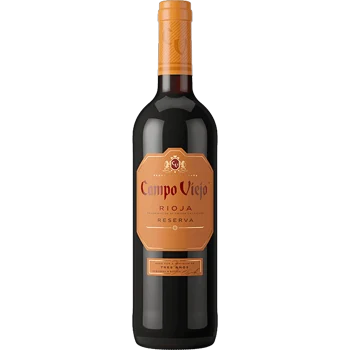
Campo Viejo Reserva
Price: ~£11 / ~€10.50
The most widely available Spanish red on this list — you will find it in supermarkets across Europe, not just Spain. Tempranillo with Graciano and Mazuelo, eighteen months in French and American oak, then eighteen more in bottle. Three years of total ageing. Ripe cherry, black plum, vanilla, soft tannins. One of the most consistent supermarket reds at this price from any country.
Serve at 15–18°C. Roast lamb, grilled beef, mature hard cheese.
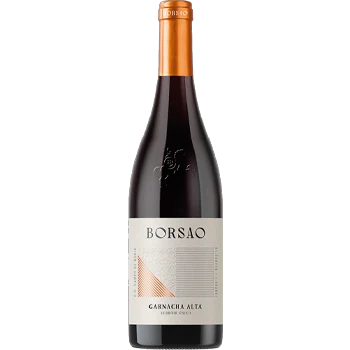
Borsao Garnacha
Price: ~£7.50 / ~€5
70% Garnacha, 20% Syrah, 10% Tempranillo from DO Campo de Borja in Aragón. No oak. James Suckling 91 points; Wine Enthusiast 91 points. Brambly fruit, dried plum, soft tannins — immediate and easy to drink. Widely available at specialist wine shops across Europe; in Spain it is one of the best buys on any shelf at €4–6.
Serve at 16°C. Slow-cooked pork, chorizo, hard cheeses.
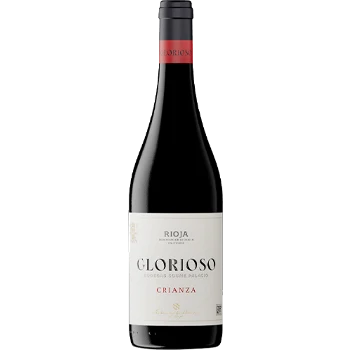
Glorioso Crianza
Price: ~£11.50 / ~€8
Bodegas Palacio, Laguardia, founded 1894. 100% Tempranillo from forty-year-old vines in Rioja Alavesa, twelve months in French oak. Tim Atkin MW 91 points; James Suckling 89–91. Blueberry, black cherry, well-integrated oak, silky finish. Available across Europe through Vinissimus, Decántalo, and selected supermarkets; in Spain at El Corte Inglés and most wine shops.
Serve at 14–18°C. Roast meats, lamb, charcuterie.
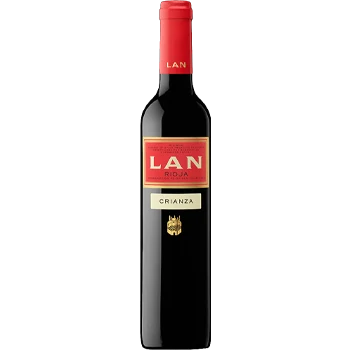
LAN Crianza
Price: ~£8 / ~€8
Winemaker María Barúa pioneered a hybrid barrel — American oak staves, French oak heads — that gives LAN Crianza more freshness than pure American oak, more structure than pure French. Primarily Tempranillo with Mazuelo and Garnacha, fourteen months in barrel. James Suckling 90 points. Available from Vinissimus and Decántalo across Europe; in Spain at most wine shops and El Corte Inglés.
Serve at 17–19°C.
The best cheap Spanish white wines
Spain produces white wine from more than 400 indigenous grape varieties. Most of what reaches the rest of Europe falls into one of three styles — here is a concrete bottle for each.
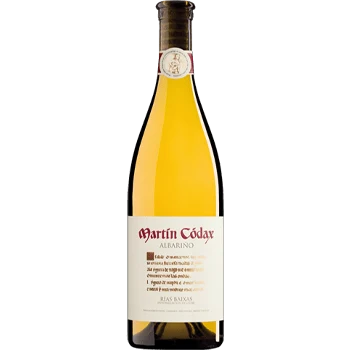
Martín Códax Albariño
Price: ~£13.50 / ~€10
One of the main cooperatives in DO Rías Baixas, Galicia’s Atlantic coast. Stainless steel, no oak. High acidity, citrus, stone fruit, and the saline mineral finish — salinidad — that defines good Albariño. This is the most widely available decent Albariño in European wine shops, and at €12–15 outside Spain it is still cheap for the quality. Albariño is never going to be a €7 wine; the DO has strict yield limits and the Atlantic climate makes farming expensive. The Martín Códax is cheap for what it is.
Serve at 8–10°C. Shellfish, grilled fish, seafood of any kind.
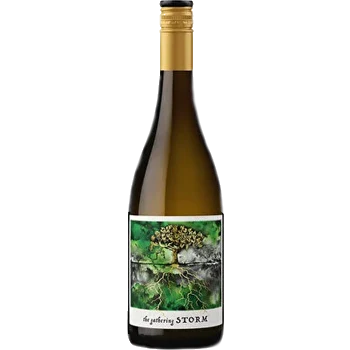
The Gathering Storm Verdejo
Price: ~£9.50 / ~€8
A Verdejo-led blend (55% Verdejo, 30% Chardonnay, 15% Sauvignon Blanc) from La Mancha, available at Majestic in the UK and through specialist online retailers across Europe. Clean, dry, and zesty, with the green apple and anise character that distinguishes Verdejo from the Sauvignon Blanc it sometimes resembles. A solid, affordable introduction to Spanish white wine. In Spain, single-varietal DO Rueda Verdejo from producers like Javier Sanz runs €5–8 and is a better buy if you can find it.
Serve at 8–10°C. White fish, salads, fresh goat’s cheese.
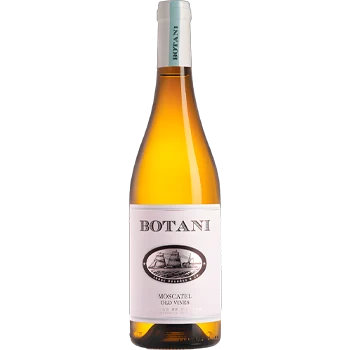
Botani Moscatel Seco
Price: ~£15 / ~€14
The Axarquía is a mountain area inland from the Costa del Sol with vineyards on slopes of up to 70°, worked entirely by hand, grapes carried down by mule. The vines are Moscatel de Alejandría, mostly planted 1915–1946 on decomposed slate — some over 100 years old. Jorge Ordóñez launched Botani in 2004 as the first dry Moscatel produced in Spain in modern times. Seven months on lees, no oak. Dry, intensely fragrant: lychee, white flowers, fresh citrus. Robert Parker 90–92 points across multiple vintages.
Above the strict budget bracket, but nothing else on this list comes from the same part of Spain or tastes remotely like it. Available from Vinissimus across Europe; in Spain at most specialist wine shops and El Corte Inglés.
Serve at 7–9°C. Raw fish, ajoblanco, sushi, spiced dishes.
Worth finding when you're in Spain
These two are not for the average Tuesday evening shop. They are genuinely special bottles that most international wine drinkers will never encounter — which is part of what makes them worth mentioning.
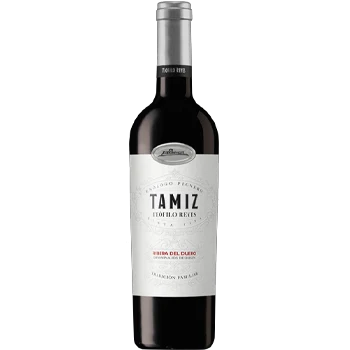
Tamiz de Teófilo Reyes
Before Teófilo Reyes built his own bodega in Peñafiel in 1994, he spent fifteen years as the winemaker behind Pesquera — the wine that put Ribera del Duero on the world map. Before that, he created Protos at the local cooperative in the 1970s. He was the first person to bottle wine in glass in the region.
The debut release from Bodegas Teófilo Reyes in 1994 became the first Spanish wine to enter the Wine Spectator Top 10.
The Tamiz is the entry-level wine. 100% Tempranillo (Tinto Fino), hand-harvested from vineyards at 750–920 metres altitude, fermented in stainless steel, then aged six months in French and American oak. James Suckling gave the 2019 vintage 93 points. The 2023 gets 92. The 2024, still 90. In Spain it costs between €6 and €9.
This is the bottle I find hardest to explain to people without sounding like I’m making it up. A wine made by the man who created Pesquera, scoring 93 points, for under €9. It exists. It’s available at Vinissimus Spain, VinosRibera.com, and dozens of other Spanish online retailers. UK readers can order it from Vinissimus UK at around £12.78 for the 2023.
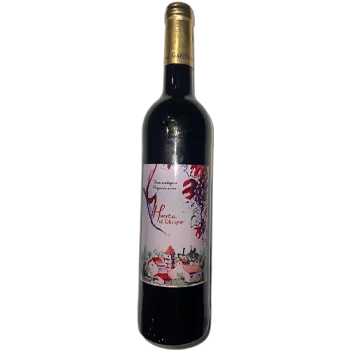
Huerta el Obispo
Bodega García Hidalgo was founded in 2006 by Miguel García and his wife Maribel, just outside Ronda in the Guadalcobacín valley. The estate is certified organic. Total production: approximately 10,000 bottles per year across all wines, from just two hectares.
The Huerta el Obispo is a Bordeaux-influenced blend — Cabernet Sauvignon, Syrah, and Merlot — grown under DO Sierras de Málaga. It costs €9.80 in Ronda.
I have tried this wine several times and it has no right to cost what it costs. The structure is clean, the tannins are smooth, and there is a depth of dark fruit that you genuinely do not expect at this price from an organic small producer. At 10,000 bottles total output, it will never be on a UK shelf. But if you are spending time in Ronda, it is worth picking up a few bottles to take home.
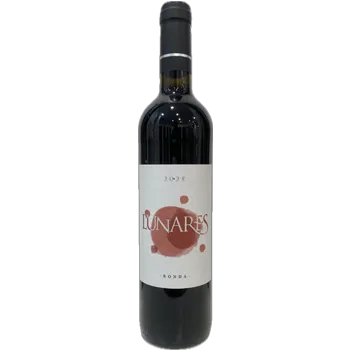
Lunares Tinto
Bodegas Lunares was founded in 2003 by Pedro Morales León, who also serves as president of the Asociación de Viticultores y Bodegueros de la Serranía de Ronda. The bodega sits 1 kilometre from Ronda, in a building that was used as a winepress in the 18th century.
The vineyards tell the real story. Lunares farms 7.5 hectares across two estates. The second — Finca Ronda la Vieja — sits at over 1,000 metres altitude, next to the Roman ruins of Acinipo, with a diurnal temperature variation of 20°C between day and night. Those conditions produce grapes with high natural acidity and concentrated fruit, without losing freshness.
The Lunares Tinto is a blend of 55% Syrah, 20% Garnacha, 15% Merlot, and 10% Tempranillo. Six months in French oak, then four months in bottle. The 2023 vintage won Gold at the Bacchus International Wine Competition. The Museo del Vino de Málaga describes it as a wine that overflows with youth and freshness — dark berries, red flowers, a balsamic note on the finish.
At €11.90 it sits just above the under-€10 target, but that altitude, that Bacchus Gold, and the fact that most British wine drinkers will never encounter a wine like this unless they come to Ronda — that is worth the extra euro. Available at Ronda Gourmet (rondagourmet.com, ships internationally) and direct from the bodega. In Spain also at Vinos de Ronda Online.
How to find these wines
Most of the bottles on this list are sold across Spain in supermarkets like Carrefour, El Corte Inglés, and Mercadona, and in any decent wine shop. Some — Glorioso, Campo Viejo — are widely distributed across Europe and appear regularly in supermarkets in France, the Netherlands, Germany, and the UK.
For the less widely distributed bottles, the most reliable option across Europe is Vinissimus, which ships to most EU countries and the UK, and usually stocks every wine on this list. Decántalo is another good option with broad European shipping. If you want to find a specific bottle near you, Wine-Searcher aggregates stock from thousands of local retailers by postcode.
A quick word on Spanish wine labels
Most countries label wine by grape variety. Spain labels by ageing. Once you understand this, you stop buying blind.
Genérico (or Joven) means the wine was bottled young, with little or no time in oak. Fresh, fruity, drink within a year or two.
Roble means brief oak contact — typically two to six months. More structure than a Joven, still relatively accessible.
Crianza requires a minimum of two years total ageing, with at least six months in oak (twelve months in Rioja). This is where serious quality starts at low prices.
Reserva means three years total, with at least one year in oak. The wine on the Asda shelf for £9 that says Reserva has been aged for longer than most expensive French reds.
Gran Reserva is the top tier — five years minimum, two of which in oak, released only in good vintages.
This is why cheap Spanish red wine regularly outperforms cheap wine from anywhere else. The legal minimum quality thresholds are embedded in the label itself.
9 recommended bottles of Rioja wine for under €20
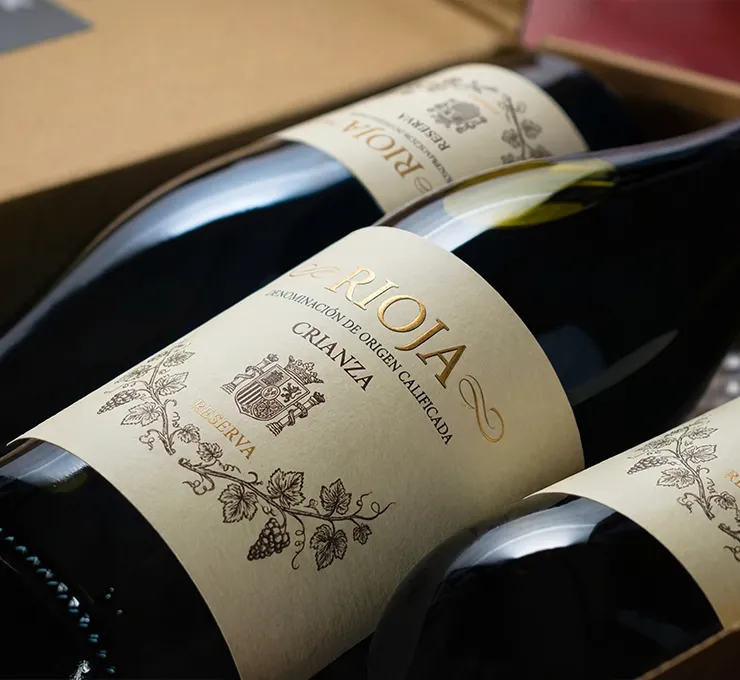
The best Rioja red wines
What is the best wine for under €10?
For reds, Campo Viejo Reserva and Borsao Garnacha are the strongest options. For whites, The Gathering Storm Verdejo is the most accessible. If you’re ordering online, LAN Crianza deliver Rioja Crianza quality for around €8.
What is the best cheap Spanish wine to buy in supermarkets?
Campo Viejo Reserva is the strongest option. It is 100% Tempranillo aged eighteen months in oak and eighteen months in bottle — three years of ageing for less than most supermarket wines cost. The Reserva consistently outperforms the cheaper Campo Viejo Tempranillo in the same range.
Is cheap Spanish wine actually good?
Yes, for structural reasons that have nothing to do with luck. Spain has more vineyard land than any country on earth, a large proportion of it planted with very old vines. Old vines produce less fruit but more concentrated flavour, which means high-quality base material is more abundant — and more affordable — than in France or Italy. The DO ageing regulations then apply quality thresholds at the label level that many other countries simply do not require.
What Spanish wine should I take as a gift?
For reds, a Rioja Reserva from a well-known producer (Campo Viejo, Glorioso, or LAN) at the £12–15 mark signals quality without being obscure. For something more interesting, Tamiz de Teófilo Reyes (available from Vinissimus UK at ~£13) gives you a 93-point Ribera del Duero with a genuinely good backstory. For whites, Botani Moscatel Seco is the obvious choice if the recipient is curious — it is made from 100-year-old vines on mountain slopes in Málaga, and it tastes like nothing else.
What food goes with Rioja red wine?
Crianza works well with everyday roasts, lamb chops, and hard cheeses. Reserva suits richer dishes — slow-cooked lamb, duck, grilled pork. Gran Reserva is best alongside aged Manchego, wild mushroom dishes, or on its own — the tannins and acidity have softened to the point where the wine doesn’t need food as a foil.
What's the difference between traditional and modern style Rioja?
Traditional Rioja (Muga, La Rioja Alta, López de Heredia) uses American oak and long ageing times — vanilla, coconut, dried strawberry, and a certain oxidative quality. Modern Rioja (Roda, Contino, Finca Allende) uses French oak and shorter ageing — more primary fruit, more structure, more terroir. Neither is better; they’re different wines making different arguments about what Rioja should taste like.
Is Rioja only made from Tempranillo?
Mostly, but not exclusively. Tempranillo dominates, but traditional blends include Garnacha, Mazuelo (Carignan), and Graciano. Palacios Remondo’s La Montesa is 95% Garnacha — a reminder that the Rioja Oriental subzone produces some of the region’s most interesting wines from varieties that aren’t Tempranillo.
Research sources: Wine-Searcher, Guía Peñín, James Suckling, Tim Atkin MW, Decanter, The Wine Society, Ocado, Vinissimus UK, Bodega García Hidalgo, Bodegas Lunares, Ronda Gourmet, Leocadio La Casa del Jamón.
All prices correct at time of writing and subject to variation. Exchange rate used: £1 ≈ €1.18.