Best cheap Rioja: 9 bottles under €20, honestly rated
In Spain, you can buy a Rioja Crianza that spent three years in barrel for under eight euros. That’s not a typo.
Rioja doesn’t get the credit it deserves for value. The region produces nearly 300 million litres a year, its classification system is properly enforced, and the best bodegas have been refining these techniques since the 1800s. The result: more genuinely good cheap wine per square metre than almost anywhere else on earth.
The problem is that most “budget Rioja” lists recommend the same five bottles. They’re good — but there’s more going on here.
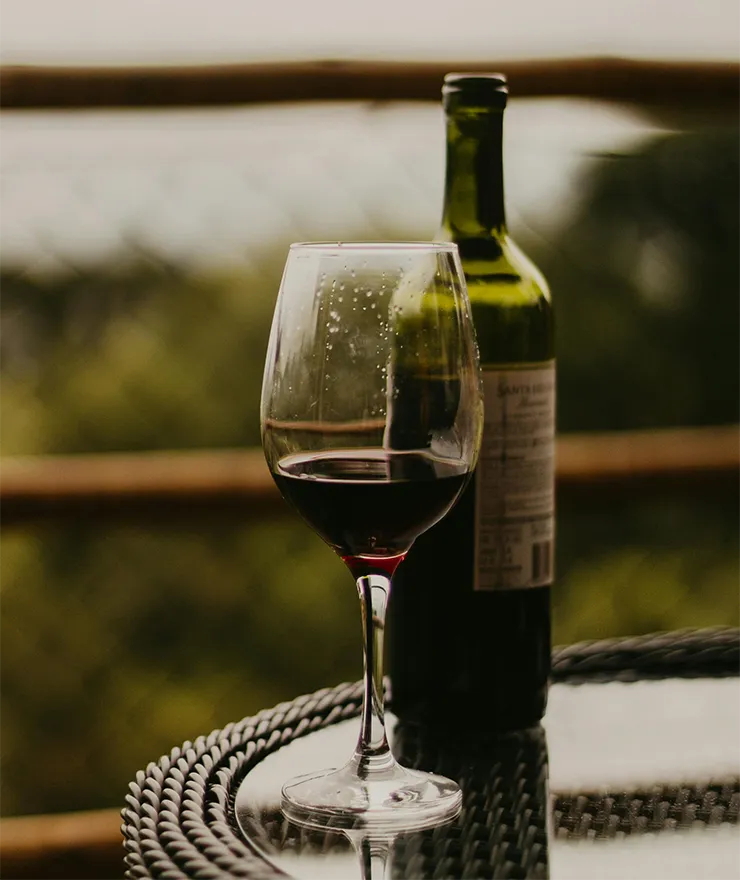
These nine bottles are all under €20 in Spain (roughly under £17 or $21). All score 91 points or above. None of them are here because they’re famous — they’re here because they’re worth buying.
The best cheap Rioja under €10
Five wines, all under a tenner. Not supermarket plonk — proper, barrel-aged Rioja with 91–92-point scores from Peñín, Suckling, and Parker. This is where the region’s value case is strongest.
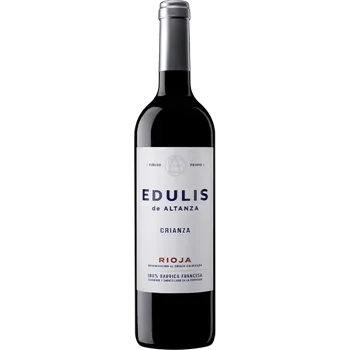
€7.90
Edulis de Altanza Crianza 2020
The cheapest bottle on this list. At €7.90, Edulis de Altanza is a properly made modern Crianza: 100% Tempranillo, aged in oak, produced by a bodega whose stated philosophy is “long-aged wines with a modern spirit.” Altanza calls itself a “living laboratory” — they focus on Tempranillo expression across different vineyard profiles and have been doing so since 1998.
Scored 91 by Peñín and 90 by Suckling. It’s straightforward — red fruit, soft tannins, light oak — but at this price, it’s one of the most versatile food wines in the entire region. Fatty fish, pasta with intense sauces, grilled meats: it handles all of them. If someone asks you for a beginner’s Rioja, open this.
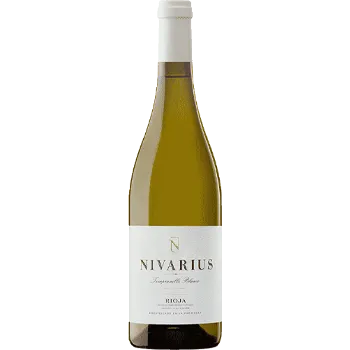
€8.50
Nivarius 2023
This is the one that surprises people. A white Rioja, made entirely from Tempranillo Blanco — an autochthonous Rioja variety — from a bodega that makes nothing but white wine. Nivarius doesn’t make a single red. Their name comes from the old Spanish word for a natural snow pit, a pozo where snow was stored year-round. Their entire focus is whites from this single appellation.
The 2023 spent four months on its fine lees in stainless steel, then two months in bottle. It’s balanced and fresh, with a roundness and textural weight that you don’t usually find at this price. Rated 92 by Peñín.
If you’ve been ignoring Rioja blancos, Nivarius is the reason to start paying attention.
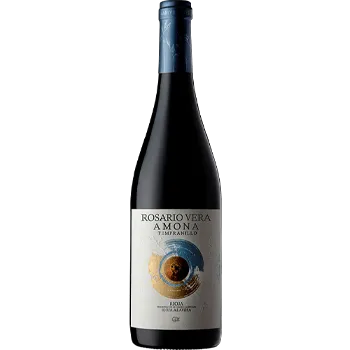
€8.95
Rosario Vera Amona Crianza 2021
This is the classic style of Rioja Alavesa. Carbonic maceration — the same technique used in Beaujolais — is traditional here, and it gives wines a freshness and fruit-forward character that’s distinctly different from the oaked, tertiary-dominant style of Rioja Alta. Think ripe red fruit, violet, a touch of spice, soft tannins.
The project was founded as a tribute to Rosario Vera, the matriarch of the family. The 2021 scores 92 from Peñín and retails under €9. It’s genuinely the kind of wine you open on a Tuesday night with a plate of jamón or a grilled vegetable dish and don’t think too hard about. At that price, that’s exactly what it should be.
€9.50
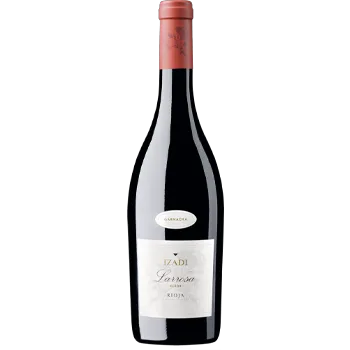
Izadi La Rosa Negra 2021
If you think Rioja means Tempranillo and old oak, Izadi La Rosa Negra will recalibrate your expectations. This is 100% Garnacha — from vines planted around 1971 — with a short stay in American and French oak that adds spice without masking the fruit. The profile is Mediterranean: darker, richer, with more body than your typical Crianza.
Garnacha has had a complicated relationship with Rioja. For decades it was considered a blending grape — useful for adding body and warmth to Tempranillo-dominated blends, but not taken seriously as a standalone variety. That attitude has shifted, and wines like La Rosa Negra are part of the reason why.
Izadi is the founding bodega of the Artevino group. The wine scores 92 from Suckling and 91 from Parker. At €9.50, it’s the most interesting bottle on the under-€10 list.
Pair it with duck — a magret de pato a la naranja works particularly well with the warm spice and dark fruit.
€9.90
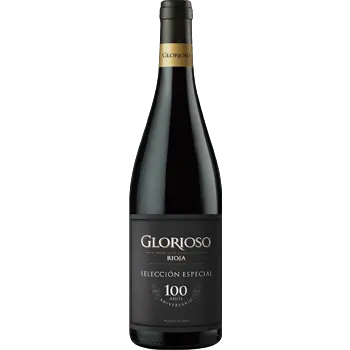
Glorioso Selección Especial 100 Aniversario 2018
This is a wine with a specific story behind it. The “100 Aniversario” selection was made from vineyards chosen for what the bodega describes as unique characteristics suited to producing the highest quality fruit — a nod to Bodegas Palacios’s century of history in Rioja Alavesa. The 2018 vintage scored 92 from Suckling and 91 from Atkin.
It’s elegant and mature with a long finish. For under €10, that combination of pedigree, vintage quality, and critical recognition is hard to argue with.
Works well with anything from the sea: tried it with marmitako de atún and it held its own impressively. Also strong alongside grilled white meats or lamb chops.
Best cheap Rioja under €20
Step up to the €15–19 bracket and the quality jumps noticeably. These four bottles are where the most interesting cheap Rioja drinking happens — wines with real complexity, clear bodega identity, and scores that regularly appear on “best of year” lists.
€15
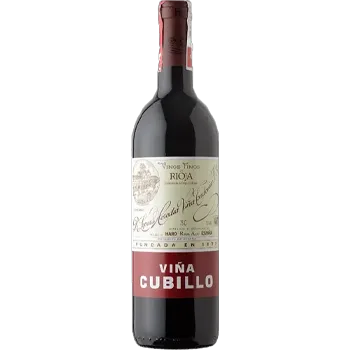
Viña Cubillo Crianza 2015
López de Heredia is one of the oldest operating bodegas in Rioja — founded 1877, still family-run, still making wine in the same way they did in the 19th century. No consultants, no modernisation. They have their own cooperage, their own bottle store, and their own philosophy: wine matures when it’s ready, not when the market wants it.
Viña Cubillo is their Crianza. What makes it unusual is the ageing. A standard Crianza requires a minimum of one year in barrel. The Cubillo gets three. At a price that should be buying you a one-year Crianza, you’re drinking something that has already done the work that a Reserva would normally do elsewhere.
Scores consistently in the 93–94 range. Classic Rioja profile: dried fruits, orange peel, vanilla, light earth. This is the bottle to open when you want to explain to someone what “traditional Rioja” means.
€15
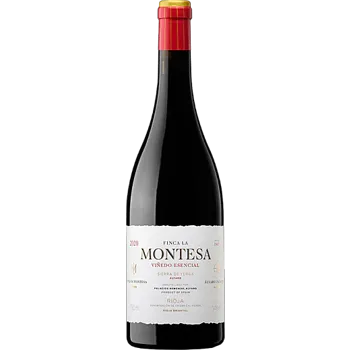
La Montesa 2020
Álvaro Palacios is one of the most respected names in Spanish wine — best known for Priorat, but his family bodega in Rioja Oriental (formerly Rioja Baja, before “Baja” was considered impolitic) produces this Garnacha-dominated wine that genuinely competes with bottles at twice the price.
La Montesa is made with 90% Garnacha and organic farming across the entire estate. 15 months in barrel. It’s a wine that proves two things: Rioja is not just Tempranillo, and the Rioja Oriental subzone — historically looked down on by the rest of the appellation — is capable of producing serious wine when it’s in the right hands.
Scored 94 points. At €15, that’s an extraordinary price-to-quality ratio.
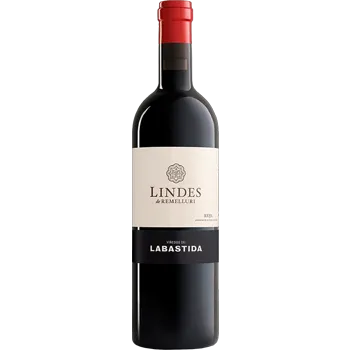
€18
Lindes de Remelluri Viñedos de la Bastida
Telmo Rodríguez is one of the most thoughtful producers working in Spain today — a winemaker who spent years rescuing forgotten wine regions and indigenous varieties before returning to his family estate in Rioja Alavesa. Lindes de Remelluri represents the terroir side of modern Rioja: wines that tell you where they come from, not just what category they belong to.
Viñedos de la Bastida is made from vineyards in the village of La Bastida, in the hills of Rioja Alavesa. The wines from the two Lindes (this one and its sister from Labastida) have been bottled separately since the 2010 vintage — an exercise in showing how different soils and aspects produce meaningfully different wines even at short distances.
Scores between 92 and 94. At €18, it’s one of the best value expressions of single-village Rioja available. If you want to understand the direction Rioja is moving — terroir-focused, variety-specific, place-first — this is an accessible entry point.
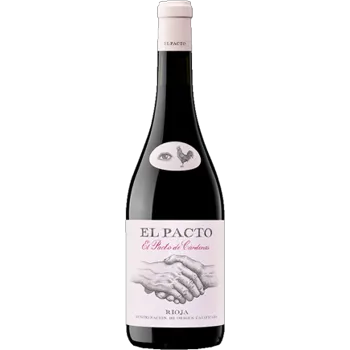
€19
Pacto de Cárdenas Ojo Gallo 2021
The most unusual bottle on this list. Ojo Gallo is a co-fermented field blend — red and white grapes vinified together, including Tempranillo, Graciano, Garnacha, Mazuelo, plus the white varieties Viura and Malvasía. This was once the standard way of making wine in Cárdenas, in Rioja Alta. Grupo Vintae, which produces wines across 15 different Spanish appellations (including Kudos in Chile), revived this approach as a deliberate tribute to the village’s winemaking tradition.
The result is genuinely unlike anything else in the region: lighter in colour than a standard tinto, with a freshness and aromatic complexity that comes from the white grape inclusion. Critics score it between 91 and 94 depending on the vintage, but the wine itself doesn’t taste like a wines that needs critical validation. It tastes like something you’d find in a small bar in Cárdenas and ask for a second glass of without knowing the producer.
At €19, it’s the most interesting cheap Rioja on this list.
Why cheap Rioja works (when it does)
Most wine regions can’t do what Rioja does at this price. The reason is structural.
First, scale. 66,000 hectares under vine and 576 bottling bodegas mean the production infrastructure is already paid for. Rioja doesn’t need to charge Burgundy prices to keep the lights on.
Second, the classification system. Unlike many regions where “Reserva” is marketing, in Rioja it’s regulated. A wine labelled Crianza has spent a minimum of 12 months in barrel and is released in its third year. These requirements are enforced by the Consejo Regulador. You’re getting genuine aged wine at supermarket prices.
Third, history. Bodegas like López de Heredia (est. 1877), CVNE (est. 1879), and Marqués de Murrieta (est. 1852) have been perfecting these wines for over a century. The techniques are understood. The mistakes have already been made.
The caveat: not all cheap Rioja is good Rioja. There’s a significant volume of thin, over-extracted, poorly balanced wine in the €5–8 bracket. The bottles listed here are not those wines — they have real critical backing and, more importantly, they’re made by bodegas with genuine track records.
What's the best cheap Rioja you can actually buy in a Spanish supermarket?
Edulis de Altanza Crianza at €7.90 and Rosario Vera Amona at €8.95 are both widely stocked. CVNE Cune Crianza (reviewed in our main Rioja guide) appears in most large supermarkets across Spain. For something more interesting, Izadi La Rosa Negra is worth tracking down — it’s a 100% Garnacha from 50-year-old vines that retails at €9.50.
Is cheap Rioja actually good, or is it just cheap Spanish plonk?
The bottles on this list score between 91 and 94 points from major critics — scores that, on most French wine regions, would imply a price tag of €30 or above. Rioja’s combination of scale, enforced ageing regulations, and century-old winemaking institutions means genuinely high-quality wine at a low price is not unusual here. That said, not everything under €10 is worth buying. Stick to bodegas with real reputations.
What's the best value Rioja wine under €20?
La Montesa 2020 (€15, 94 points, 90% Garnacha by Álvaro Palacios) and Viña Cubillo Crianza (€15, 93–94 points, 3 years in barrel by López de Heredia) are both exceptional. Lindes de Remelluri at €18 is the pick if you want something more terroir-focused and contemporary in style.
Are there good cheap white Riojas?
es, and they’re underrated. Nivarius 2023 (€8.50, 92 Peñín) is made entirely from Tempranillo Blanco — an indigenous white variety — by a bodega that makes nothing but white Rioja. It’s fresh, textured, and totally different from the Viura-based whites most people associate with the region. Worth trying.
Prices shown are approximate Spanish retail prices as of 2026. UK and international prices will vary. €1 ≈ £0.85 ≈ $1.10 at current rates.