Condado de Huelva Wine Region
In August 1492, Christopher Columbus loaded his three ships in Palos de la Frontera and sailed west. Amongst the provisions: wine from the Condado de Huelva. The first European wine ever shipped to the Americas — documented in 1502 — came from here too.
Most people have never heard of this wine region. That is a genuine shame.
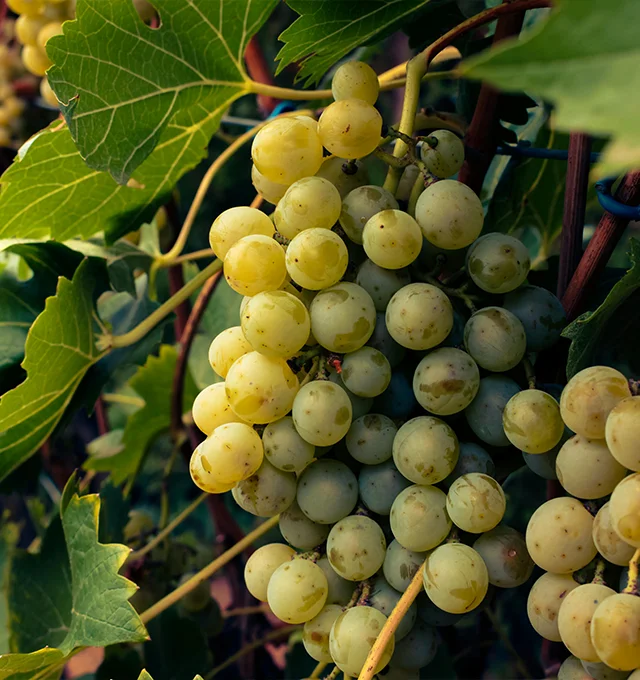
What is Condado de Huelva?
A DO wine region in the province of Huelva, Andalusia — the far southwest corner of Spain, right where the country runs out of land before the Atlantic takes over.
It sits between the Doñana National Park and the Portuguese border, about 45 minutes east of Huelva city and an hour from Sevilla. Eighteen municipalities. Around 30 bodegas. Roughly 2,000 hectares of vineyard, tended by some 16,600 people.
Think of it as Sherry’s Atlantic cousin — same solera ageing system, same wine styles, completely different grape. The wines have a lighter, fresher, more oceanic character than Jerez. And they cost considerably less.
What makes it unusual even within Andalusia:
The vineyards are almost entirely dry-farmed, unlike the intensive agriculture surrounding them
Many plots sit 25 km from the Atlantic Ocean — close enough to feel it in the wine
It produces something completely unique: Vino Naranja, an orange-peel aromatised wine
The region has its own grape variety, Zalema, found almost nowhere else on earth
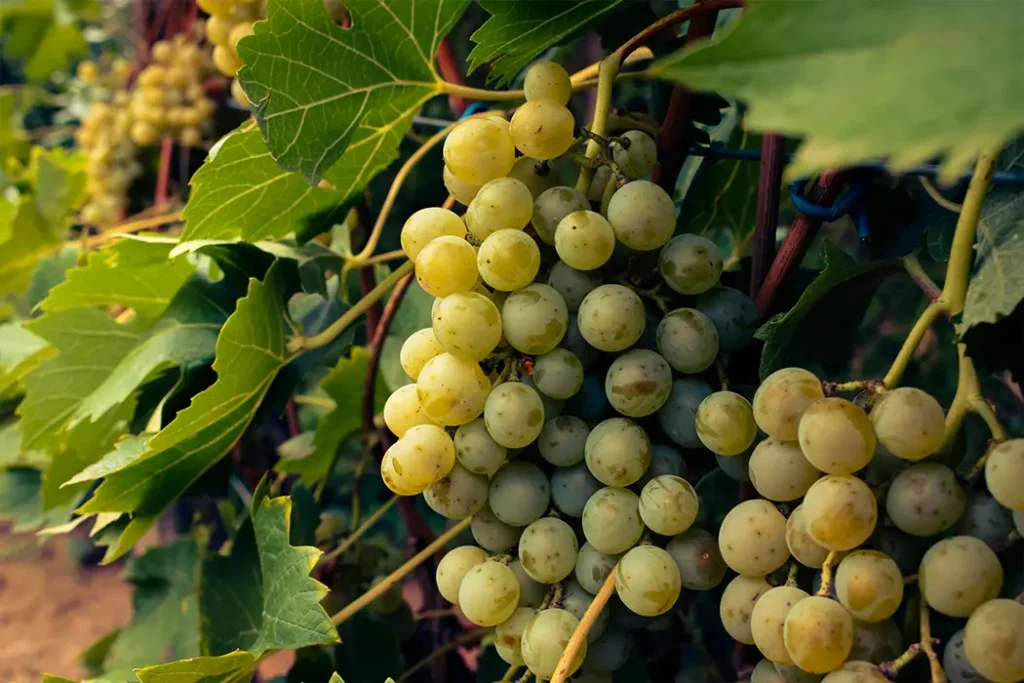
The grape: Zalema
Before the wines make sense, Zalema needs explaining. Almost no one outside Huelva grows it. That’s not an accident — it barely survives anywhere else.
Zalema is indigenous to the Condado, occupying around 90% of all plantings in the DO. It has thick skin, high productivity, and crucially, it survived the phylloxera epidemic that wiped out most of Europe’s vineyards at the turn of the 20th century — one of only a handful of European varieties that did.
For a long time, the region didn’t treat it particularly well. The focus was volume. Late harvest, high yields, bulk wine for blending. The results were predictably mediocre.
Then, over the past 20 to 30 years, the bodegas figured out how to handle it. José Manuel Iglesias of Bodegas Iglesias — whose grandfather founded the bodega in 1935 — explained it to me as directly as possible:
"The zalema has low natural acidity. So we started harvesting earlier, looking for that freshness and green aroma that we'd never get if we left it too long. Early harvest, green pruning, lower yields in the field, fermentation in stainless steel. And we realised we were making spectacular wines."
What Zalema produces now: light, floral, fruity whites at low alcohol, with a saline, almost Atlantic freshness. They’re built for seafood and warm evenings, not cellaring.
They’re also built for the current market. Iglesias again: “The goal is to get to a bar and say: ‘give me a Zalema from the Condado.'” That’s where they’re headed. Zalema also works in oxidative ageing, in sweet wines, in fortified styles, and as the base for Vino Naranja. Very few grapes operate across that range.
The wines
Condado de Huelva is one of Spain’s most overlooked wine regions. Beyond its fresh Zalema whites, it produces fortified wines aged exactly like those of Jerez — plus a singular Vino Naranja found nowhere else in the world.
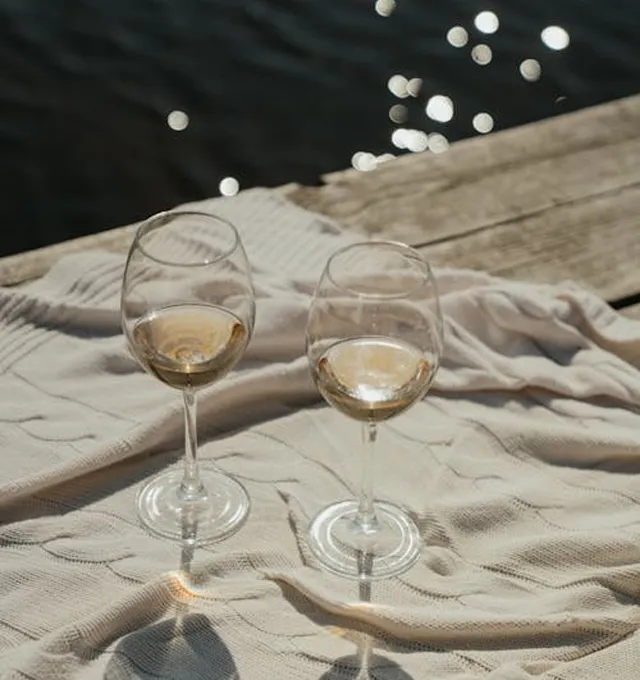
Young whites are fresh, coastal wines made for immediate enjoyment — simple, clean, and always served cold.
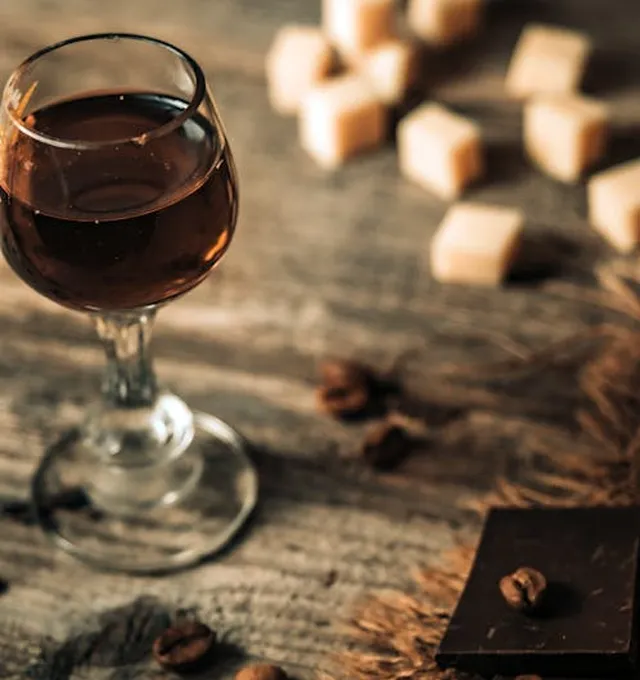
The generosos are the soul of the region’s winemaking tradition, aged in solera and built for depth, not immediacy.

Vino Naranja is a historic Andalusian specialty, aromatic and complex, made by macerating wine with bitter orange peel and aging it for years.
Young whites (Zalema joven)
The most approachable entry point — and the one that’s grown most in quality over the past decade.
Pale yellow with green hints. Apple, pear, a touch of white flower. Low alcohol — typically 11–12% ABV — with a clean, slightly saline finish. These are wines made for the table, not for contemplating. They don’t demand your attention; they reward it quietly.
Serve them very cold with anything from the sea. The Condado’s coast produces some of the best prawns in Spain. It’s not a coincidence that those vineyards sit so close together.
The generosos
The region makes the same fortified wine styles as Jerez: Fino, Oloroso, Amontillado, Palo Cortado. Same method — the criaderas y soleras system, ageing in oak butts over years, some wines under a living veil of flor yeast, others left to oxidise slowly. The process is identical.
For decades, they weren’t allowed to say so.
A lobbying effort by exporters in the 1970s — and a badly written national wine statute — meant the Condado had to rename its wines with invented terms. Fino became Condado Pálido. Oloroso became Condado Viejo. Amontillado became Ámbar. The wines were the same. The names had to be different.
That injustice was finally corrected recently, when the Junta de Andalucía approved the use of traditional terms. As one producer put it: “The difference between our wines and Jerez is only the grape variety used. The system is exactly the same.”
The four styles currently made:
| Style | Character | Temperature | Best with |
|---|---|---|---|
| Fino | Pale, dry, nutty, saline | 7–9°C | Jamón ibérico, chacina |
| Oloroso | Amber, walnut, dried fruit, velvety | 13–16°C | Stews, rabo de toro |
| Amontillado | Hazelnut, dried orange, long finish | 12–14°C | Aged cheese, mushrooms |
| Palo Cortado | Rare. Amontillado nose, oloroso body | 12–14°C | Foie, blue cheese |
What you should know: these generosos are significantly cheaper than comparable Jerez wines. The soleras at some bodegas go back a century. The quality is serious.
The other notable push in the region right now is reducing alcohol in Finos. Miguel Oliveros at Bodegas Oliveros has been vocal about it: old-school Finos used to be 17% ABV. They came down to 15%. His view is that 14% is achievable and would make the style much more accessible to modern drinkers. “More pleasant for the consumer, and easier on the wallet.”
The market would agree.
Vino Naranja
Before anything else: this is not orange wine in the trendy natural-wine sense. It’s not skin-contact white wine. Vino Naranja del Condado de Huelva is its own thing, with its own EU protected status (IGP, recognised 2017), and nothing else like it exists anywhere in the world.
Here’s what it is: a sweet aromatised wine made from Zalema base — macerated with dried bitter orange peel for at least six months, then aged in oak soleras, often for eight years or more. The result is amber to mahogany in colour, 14.5–17% ABV, with intense aromas of candied orange, dried figs, warm spices, and a long, complex finish.
Production is documented here from at least 1770. This isn’t a modern invention.
José Manuel Iglesias: “Vino Naranja is becoming very fashionable, especially with desserts. And there are people who drink it on the rocks. I don’t mind that — it’s a way of getting it known.”
The wine list at El Bulli featured the Par Vino Naranja from Bodegas Iglesias. That’s not a small thing.
Bodegas Sauci makes one with a striking orange bottle — very recognisable, very awarded. Bodegas Oliveros’ version is consistently the highest-rated by international critics.
How to drink it: over ice in summer (genuinely, it works), with a slice of orange. Or as an after-dinner pour with dark chocolate, strong cheese, or fruit-based desserts.
What to eat with it
The Condado produces extraordinary food as well as wine. The pairings aren’t suggestions — they’re what people actually eat here.
- Young Zalema whites → Gambas blancas de Huelva (some of the best prawns in Spain), fried fish, chocos (cuttlefish), clams. Very cold. 7–9°C.
- Fino → Jamón ibérico. Chacina de la sierra. Almonds. Salted anchovies. This is the classic pairing of the region and it holds up every single time. Very cold, 7–9°C.
Oloroso → Rabo de toro (oxtail stew), lamb, hearty meat dishes. The wine has enough body to stand next to braised meat without disappearing.
- Amontillado → Aged Manchego, mushroom-based dishes, oxtail, anything with earthiness.
- Vino Naranja → Desserts, dark chocolate, strong blue cheese. Or, as the locals do in summer, over ice with a slice of orange.
Two local specialities worth seeking out specifically: ternera mostrenca, the wild cattle of Doñana, raised free in the national park on completely natural vegetation — served at Restaurante Toruño in El Rocío, under 1,000-year-old wild olive trees. And tortas de rezobá, the traditional sweet of Bollullos Par del Condado — made with almond, cinnamon, and lemon. You won’t find them in any wine guide. You will find them at every bakery in town.
How does it compare to Sherry?
The question everyone asks. The short answer: nearly identical process, different grape, Atlantic character.
| Condado de Huelva | Jerez | |
|---|---|---|
| Main grape | Zalema (+ Listán, Garrido Fino) | Palomino Fino |
| Wine styles | Fino, Oloroso, Amontillado, Palo Cortado, PX, Moscatel | Same |
| Ageing system | Criaderas y soleras | Criaderas y soleras |
| Character | Lighter, Atlantic freshness, more fruit | Fuller, more austere, more mineral |
| Location | Atlantic coast, Doñana | Atlantic coast, Cádiz |
The honest version: Condado generosos are undervalued relative to their quality. If you enjoy Sherry and have never tried a Condado Pálido or a good Condado Viejo, you’re missing something worth finding.
The main practical difference is that Zalema naturally produces a lighter profile than Palomino. The wines are less austere, sometimes a touch rounder. Neither is better — they’re different expressions of the same tradition.
And until very recently, Condado wines couldn’t even be labelled Fino or Oloroso. They had to use invented substitute names. That situation has now changed.
Worth visiting?
Yes. Especially if you’re already in Huelva, Sevilla, or the Costa de la Luz.
The town of Bollullos Par del Condado is the centre of gravity — most of the major bodegas are here or nearby. It’s a working Andalusian wine town, not a tourist destination. That’s part of the appeal.
- Bollullos Par del Condado
Bodegas Privilegio del Condad
The largest cooperative in the DO, and the place to start if you want to understand the region in one visit. The ageing cellar is a century-old nave of almost 2,000 m² — classic generosos and new-wave reds maturing side by side.
Directly opposite: the Centro de Interpretación del Vino del Condado de Huelva, with Zalema vines at the entrance and an interactive tour through the region’s history. Worth an hour.
Key wines: Mioro Gran Selección (Zalema + Listán, selected by Elle as one of the best whites in southern Spain), Misterio Fino, Misterio Oloroso.
- Bollullos Par del Condado
Bodegas Andrade
The first bodega in Andalusia to bottle white wine. Still family-run, now in the sixth generation. Their 2008 “Bodega Museo” — designed by José Andrade — is one of the most visited wine estates in the province. They own 140 hectares of their own vineyard.
Key wines: Murallas de Niebla (100% Zalema), Castillo de Andrade (Sauvignon Blanc/Zalema), Doceañero Oloroso (50+ year solera).
- Bollullos Par del Condado
Bodegas Sauci
Run by sisters Montserrat and Begoña Sauci — the third generation. One of the most characterful visits in the region. They’re the only bodega in the DO to bottle 100% of their own production.
Two things you won’t find anywhere else: a room with paintings made entirely from pure wine (not wine-inspired — painted with wine), and night-time visits that change the atmosphere of the cellar completely.
Over 30 awards across their range.
Key wines: Fino Espinapura (on the market since 1965), S’ Naranja (their Vino Naranja — aged 10+ years in solera, in the unmissable orange bottle).
Getting there
- From Sevilla: 45 minutes by car on the A-49. Best option for most UK visitors (Sevilla Airport has regular flights from the UK).
- From Huelva city: 30 minutes east.
- From the Costa de la Luz (Mazagón, El Rompido): 20–40 minutes. Worth combining wine and coast.
- From Cádiz: 1 hour 15 minutes. Easy day trip if you’re exploring the sherry triangle.
Nearest airports include Sevilla (SVQ), with direct flights from London, Manchester, and Bristol, as well as Faro (FAO) in Portugal, which is about 1 hour and 30 minutes away and often offers cheaper options. The best time to visit is between April and June or September and October, although the harvest season (vendimia) runs from August into September and can be an interesting time to plan your trip if you can handle the heat. For your base, Bollullos Par del Condado is ideal for exploring bodegas, while El Rocío or Mazagón are better choices if you want to combine wine experiences with visits to Doñana or the coast.
What is Vino Naranja — is it the same as orange wine?
No. Orange wine in the natural wine world means skin-contact white wine. Vino Naranja del Condado de Huelva is something different entirely: a sweet fortified wine macerated with dried bitter orange peel and aged for years in oak soleras. Production here is documented from at least 1770. It has its own EU IGP (since 2017) and nothing else like it exists anywhere in the wine world.
How does Condado de Huelva compare to Sherry?
The styles are nearly identical — same solera ageing system, same wine categories (Fino, Oloroso, Amontillado, Palo Cortado). The differences: Condado uses the Zalema grape instead of Palomino, producing wines with a lighter, more Atlantic character. Until recently, Condado producers weren’t even allowed to use the traditional names — they had to call their Fino “Condado Pálido” and their Oloroso “Condado Viejo.” That restriction has now been lifted. The wines are typically cheaper than comparable Jerez bottles.
What is the Zalema grape?
An indigenous white grape found almost exclusively in the Condado de Huelva — roughly 95% of the world’s Zalema grows here. It survived the phylloxera epidemic of the late 19th century, which is unusual. For a long time it was grown purely for volume. Over the past 20-30 years, earlier harvesting and lower yields have revealed its real character: fresh, floral, low-alcohol whites with a saline, Atlantic edge. It also works in fortified and sweet wine styles.
Where can I buy Condado de Huelva wines in the UK?
Vinissimus (vinissimus.co.uk) carries the widest range including Oliveros and Iglesias. Uvinum has Privilegio del Condado. For Vino Naranja specifically, Ultracomida and various Spanish specialist importers stock it. It’s significantly easier to find than it was five years ago, and availability is growing.
Is Condado de Huelva worth visiting?
Yes — particularly if you’re in Sevilla, exploring Doñana, or driving the Costa de la Luz. Bollullos Par del Condado is the hub. Most of the main bodegas offer guided visits and tastings, and the region pairs well with the Lugares Colombinos (La Rábida, Palos de la Frontera), El Rocío, and the Atlantic beaches nearby. It’s not set up as a wine tourism circus — which is exactly why it’s worth going.